Choosing the Right Mining Wear Parts for Different Work Conditions
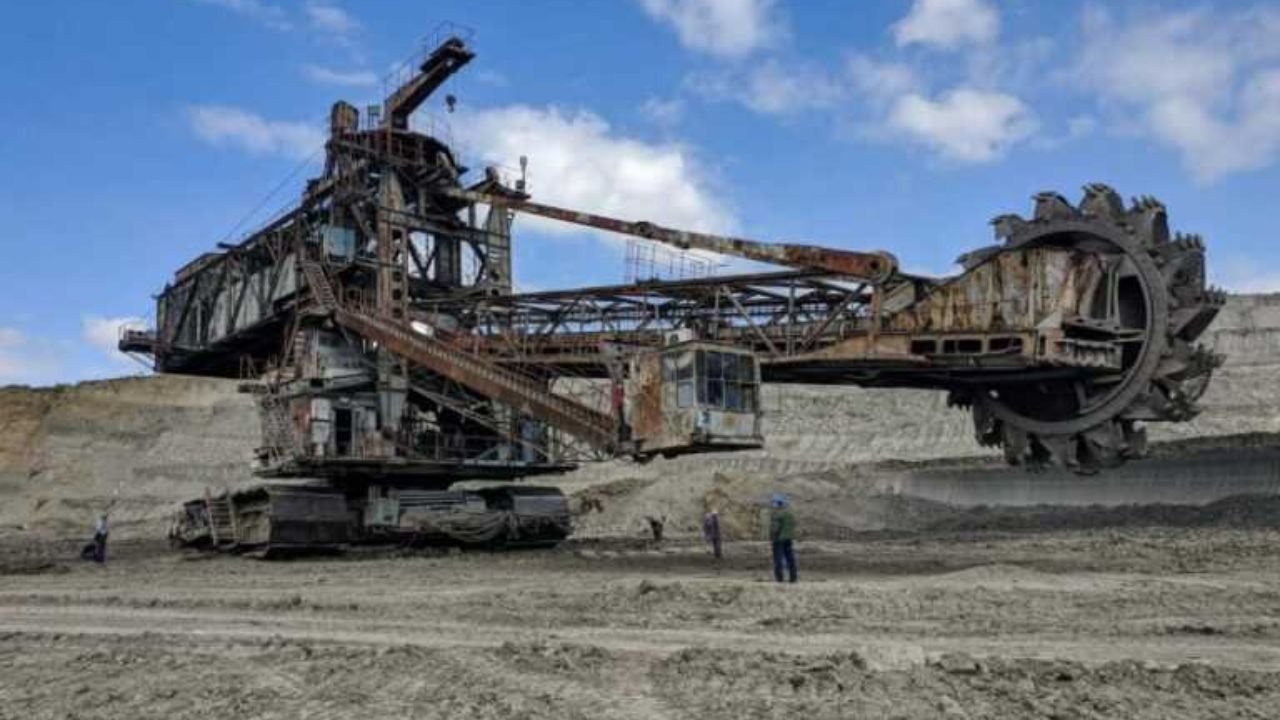
The mining parts endure harsh conditions that stress components. Wear components, such as bucket teeth, liner components, and cutting edges, sustain the most wear damage, thereby preserving the main equipment. The challenge here is that not all mining sites are equal. Areas of soft ground can be effective for a long time in areas of hard rock or abrasive soil. Using the right wear parts helps to decrease downtime, boost production, and control maintenance. Suppliers like JYF Machinery often see performance differences come down to how well parts match the working environment rather than just the machine itself.
Hard Rock Excavation Conditions
Hard rock sites place a heavy impact on wear parts with every cycle. Teeth and cutting edges tend to chip more quickly because the material they break is dense and unforgiving. In these conditions, stronger materials with higher impact resistance are usually preferred. Parts designed for shock absorption last longer and reduce sudden failures that stop work. JYF Machinery often recommends wear parts designed for high-impact resistance in these environments to reduce the need for frequent replacements.
Soft Soil and Clay Work
Some soils might seem easier and less problematic, but they have their own challenges. The sticky stuff accumulates on tools and eventually slows cutting. Wear here is slower, but clogging becomes the main problem. Smooth-profile parts that allow easier material release tend to perform better. In these settings, operators often focus more on flow and cleaning ability than extreme hardness, which keeps machines running without unnecessary stops.
Abrasive Sand and Gravel Sites
Sandy or gravel-heavy ground causes constant surface grinding. This form of wear is a slow, progressive thinning of metal components. This is where abrasion-resistant materials come into play. Moderate design changes, such as thicker edges or protective layering, can increase the service life. JYF Machinery says choosing the right material is more critical than the operator’s handling, because abrasive conditions can cause more wear than is noticeable.
Mixed Ground Conditions
Many mining sites are heterogeneous, containing rock, soil, and loose material within the same area. This creates uneven wear patterns and makes selection harder. In such instances, balanced wear parts that can withstand impact and abrasion are generally employed. It’s all about flexibility, not specializations. Equipment operating on mixed ground benefits from parts that do not fail quickly when conditions shift from soft to hard over short distances.
High Moisture or Wet Sites
Wet environments change how wear happens by adding corrosion risk and reducing friction control. Mud can also trap between components and increase strain. In these conditions, resistance to rust and material sticking becomes important. Parts that clean easily and don’t cause surface damage generally show better performance with time. Moisture does not always increase cutting wear; it can also cause corrosion and blockage, shortening lifespan.
Heavy Impact Loading Work
Some mining tasks involve repeated strong force, such as breaking large rocks or handling dense materials. Here, impact strength is more important than surface wear resistance. Parts that are too hard but brittle may crack under sudden force. A controlled balance between strength and flexibility helps avoid breakage. JYF Machinery often highlights that failure under these conditions usually results from shock loading rather than gradual wear.
Continuous High-Volume Operations
Sites running long shifts without interruption place steady pressure on every component. Even small weaknesses become visible over time. Under those circumstances, it’s consistency that counts more than strength. Wear parts should not overheat or deform over extended periods. The components are sometimes selected for long wear life rather than brief, high resistance.
Equipment Compatibility Factors
The most worn-out part will perform poorly if it is not matched to the machine. Ill-fitting can lead to uneven pressure, wear, or safety hazards. Enough size and correct mounting alignment to have a uniform distribution of forces. This also helps to minimize vibration, a hidden culprit for early failures. JYF Machinery emphasizes that fit is as important as material quality when choosing replacement parts.
Maintenance and Replacement Timing
The frequency of inspection and replacement of parts is determined by work conditions. Hard conditions require more frequent checks, and light conditions can be done over a longer period. Delay will harm other equipment and increase repair expenses. Through periodic inspections, they can spot early signs of wear, such as cracks, uneven surfaces, or edge rounding. Regular replacement ensures consistent performance and prevents downtime.
Conclusion
Selecting wear parts goes beyond durability; it’s about being suited to actual working conditions. The ideal selection process takes into account the ground type, level of impact, moisture, and workload intensity at the same time, and not separately. JYF Machinery is also committed to this approach by giving consideration to the parts design in the different mining environments rather than a one-size-fits-all approach. Machines operate more reliably when the match is right, costs are under control, and failure-prone situations are reduced.